
Iceland, a land of fire and ice, is a popular tourist destination, but getting there requires air travel for most. Understanding the layout of Iceland’s airports is essential for efficient travel planning. While Keflavík International Airport (KEF) is the primary gateway, several smaller airports scattered across the island cater to domestic flights and international connections, especially during specific seasons. Keflavík International Airport (KEF), located near Reykjavik, is by far the largest and busiest airport in Iceland. It handles the vast majority of international flights, connecting Iceland to Europe, North America, and beyond. Modern and well-equipped, KEF offers a wide range of services including duty-free shops, restaurants, car rental services, and comfortable lounges. It is the central hub for Icelandair and WOW air (though WOW air is no longer operating). Given its role as the main entry point, travelers are likely to transit through KEF whether they’re staying in Reykjavik or exploring other regions of the country. Reykjavík Airport (RKV), situated much closer to the city center of Reykjavik, primarily handles domestic flights and flights to Greenland and the Faroe Islands. This airport is crucial for reaching remote regions of Iceland, especially the Westfjords and the North. Flights from RKV connect to destinations like Akureyri, Egilsstaðir, Ísafjörður, and Vestmannaeyjar (Westman Islands). The shorter flight times from RKV compared to overland travel make it a preferred option for those with limited time or who want to avoid long drives on Iceland’s sometimes challenging roads. Akureyri Airport (AEY), located in the north of Iceland, is the second-largest airport in the country. It serves as a regional hub, offering flights to Reykjavik and, occasionally, international charter flights. During winter, AEY becomes a vital connection point for those exploring the northern lights and winter activities in North Iceland, as weather conditions can sometimes disrupt ground transportation. Egilsstaðir Airport (EGS), located in East Iceland, connects the eastern region to Reykjavik. It’s particularly useful for travelers planning to explore the Eastfjords, a region known for its dramatic landscapes and picturesque fishing villages. Flying into EGS can save significant travel time compared to driving from Reykjavik. Ísafjörður Airport (IFJ), nestled in the remote Westfjords, is known for its challenging approach due to its location in a narrow fjord. This airport is essential for residents and tourists wanting to access this stunning, isolated part of Iceland. Flights to and from IFJ are often weather-dependent. Vestmannaeyjar Airport (VEY), located on Heimaey Island in the Westman Islands archipelago, offers flights to Reykjavik. A short flight from VEY saves a significant amount of time compared to the ferry journey, making it a popular choice for day trips and longer stays in the islands. Other smaller airports exist, such as those at Hornafjörður (HFN) near the Jokulsarlon glacier lagoon, but these typically handle smaller aircraft and private flights. Understanding the location and function of Iceland’s airports allows travelers to create more efficient itineraries, especially when venturing beyond the capital region. Booking flights in advance, particularly for domestic routes, is recommended, especially during peak tourist season. Checking weather conditions prior to travel is also crucial, as Iceland’s unpredictable weather can impact flight schedules. By considering the airport network, visitors can maximize their time and experience the diverse landscapes of Iceland.
 600×411 iceland airports map from www.pinterest.com
  800×639 airports iceland iceland airports map from www.mapsofworld.com
  1600×985 iceland airports map plane flight tracker from www.planeflighttracker.com
  700×600 flights airports iceland from europe-airports.com
  329×353 list airports iceland wikiwand from www.wikiwand.com
  1412×948 large detailed physical map iceland roads cities from www.vidiani.com
  1024×626 guide airports iceland international domestic from www.hertz.is
  600×490 large detailed physical map iceland cities roads airports from www.vidiani.com
  850×638 populated areas main hospitals airports iceland from www.researchgate.net
  768×512 domestic international airports iceland icelandair from www.icelandair.com
  600×441 gallery icelandic regional airports international connectivity from aviationweek.com
  1688×960 reykjaviks airport inertia geography geology safety train from centreforaviation.com
  2000×1402 iceland airports reopen gaba flights international ops from ops.group
  1000×1000 reykjavik airport map reykjavik rkv terminal overview airport from www.airportinformation.com
  1705×1980 keflavik international airport map from ontheworldmap.com
  768×512 flying iceland important main airports from www.icelandair.com
  981×761 complete guide iceland flights airports iceland days from icelandin8days.com
  1412×981 maps iceland detailed map iceland english tourist map from www.maps-of-europe.net
  1300×1013 keflavik airport reykjavik iceland iceland official from www.alamy.com
  1412×1018 large detailed political administrative map iceland from www.vidiani.com
  2000×2000 map keflavik airport kef terminal map airportmapscom from www.airportmaps.com
  950×500 explore major airports iceland airport fly from aviatechchannel.com
  1018×720 airports iceland map svg vector map airports from www.worldmaphd.com
  1200×856 detailed physical map iceland roads cities airports from vidiani.com
 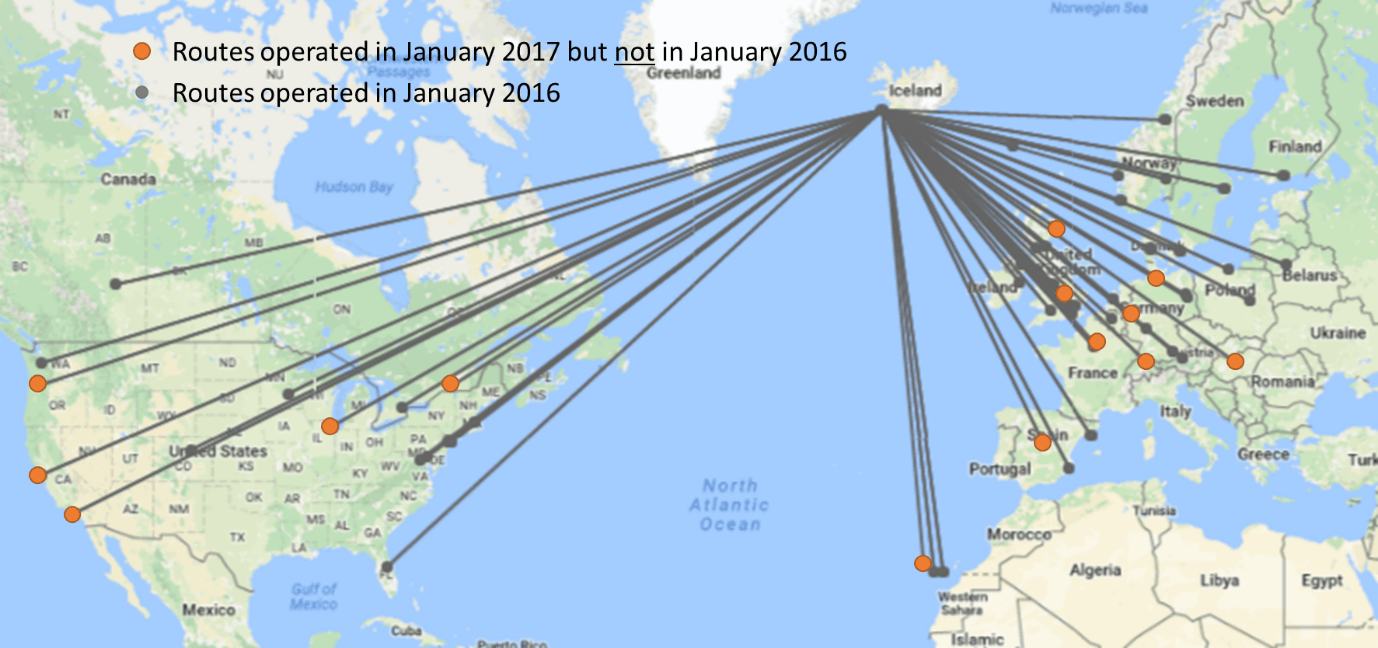 1378×648 map iceland airports from mavink.com
  1024×682 reykjavik airport from airports-worldwide.com
  980×653 ultimate iceland airport guide from www.campervanreykjavik.com