
The geographic relationship between Boston and New York City is fundamental to understanding the cultural, economic, and historical connections between these two major East Coast hubs. Situated approximately 215 miles (346 kilometers) apart as the crow flies, a map illustrating their position reveals more than just distance; it highlights a vibrant corridor teeming with smaller cities, diverse landscapes, and critical infrastructure.
Looking at a map, one immediately notices the coastal nature of both cities. Boston anchors the northern end of the corridor, nestled on Massachusetts Bay, with its distinctive harbor dotted with islands. New York City, at the southern end, is a sprawling metropolis at the mouth of the Hudson River, where it meets the Atlantic Ocean. The coastline defines much of the journey between them.
Interstate 95 (I-95) dominates the transportation map, acting as the primary artery connecting Boston and New York. This highway threads its way southwestward from Boston, passing through significant population centers such as Providence, Rhode Island, and New Haven, Connecticut. The heavily trafficked I-95 underlines the economic importance of the region, facilitating the movement of goods, services, and people. The map also reveals alternate routes like the Merritt Parkway (Connecticut Route 15), known for its scenic beauty and historic bridges, offering a more leisurely drive, albeit often with its own traffic challenges.
Beyond the highways, the map reveals the Amtrak Northeast Corridor, a vital rail link providing high-speed Acela service and regional train connections. This rail line generally parallels I-95, offering a convenient and often faster alternative to driving, particularly during peak travel times. The map illustrates the importance of the rail network in connecting smaller towns and cities along the coast, offering access to both Boston and New York.
The landscape between Boston and New York is far from uniform. Coastal plains give way to rolling hills and river valleys as one travels westward. The map highlights the presence of numerous state parks and conservation areas, showcasing the region’s commitment to preserving natural spaces amidst urban development. These green spaces offer opportunities for recreation and serve as important ecological corridors.
Examining the map also reveals the presence of several significant airports serving the region. Boston Logan International Airport (BOS) and New York’s John F. Kennedy International Airport (JFK) and LaGuardia Airport (LGA) are major transportation hubs, facilitating both domestic and international travel. Smaller regional airports also dot the map, providing additional connectivity.
In conclusion, a map of the Boston-New York corridor paints a picture of a highly interconnected and densely populated region. It illustrates the importance of transportation infrastructure, the diversity of landscapes, and the economic and cultural links that bind these two iconic American cities together. It’s a region defined by history, innovation, and a constant flow of people and ideas.
 3360×1705 world map political map world nations project from www.nationsonline.org
  1390×1003 map world continents countries ezilon maps from www.ezilon.com
  3360×1705 world map physical map world nations project from www.nationsonline.org
  2200×1605 usa map maps united states america from ontheworldmap.com
  1920×1080 google maps introduces india feature called address descriptor from www.newsbytesapp.com
  4405×2649 buy world maps international political wall map mapworld from www.mapworld.com.au
  8000×4000 world maps world maps map pictures from www.wpmap.org
  1127×2000 google maps bekommt diesem jahr viele neuerungen from stadt-bremerhaven.de
  2000×1279 political map usa colored state map mappr from www.mappr.co
  4800×3140 usa maps printable maps usa from www.orangesmile.com
 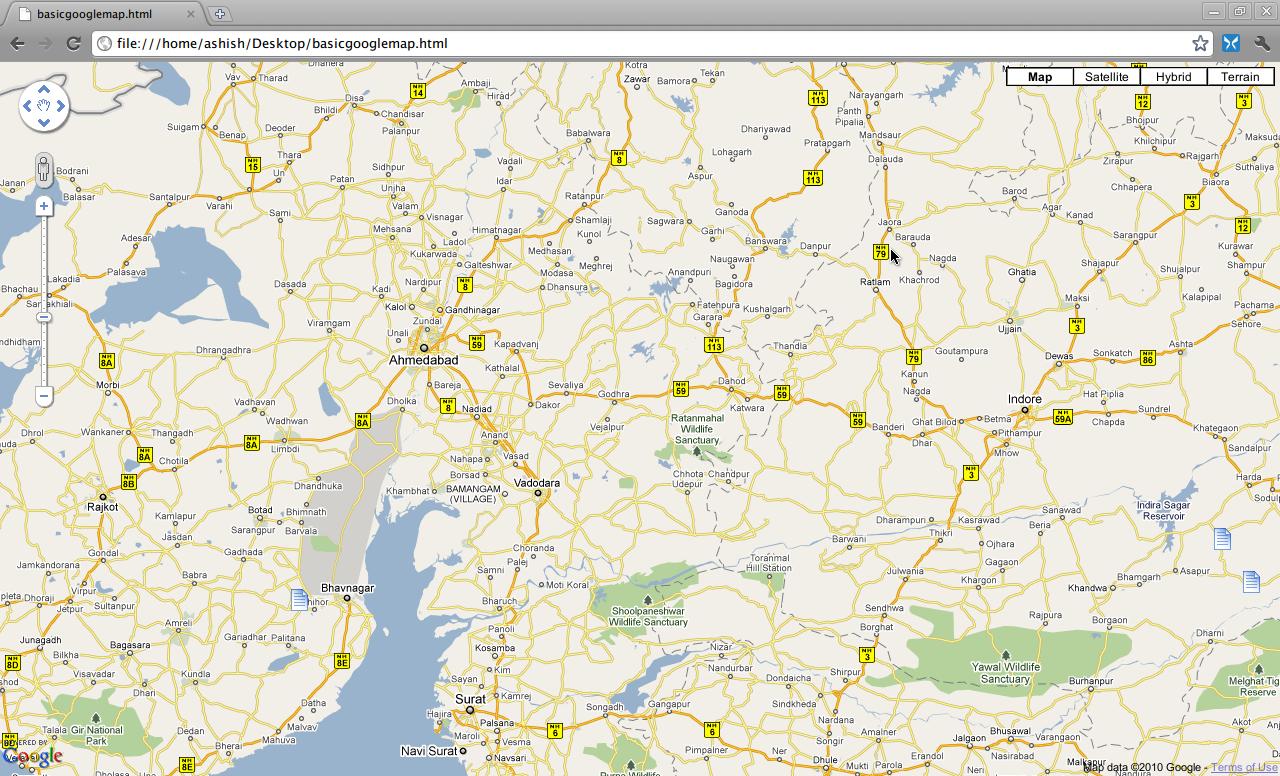 1280×776 openstreetmap open source alternate googlemaps from www.opensourceforu.com
  1000×661 google maps stay safer feature india from www.xda-developers.com
  3542×2297 map world political small version general map region from www.welt-atlas.de
  5000×3000 illustration world map isolated vectors clipart from www.vecteezy.com
  4500×2234 world map wallpaper hd wallpapers backgrounds images art from www.pixelstalk.net
  1285×871 mapsoft maps from mapsoftglobes.blogspot.com
  759×422 google maps updated india specific features whats from indianexpress.com
  1069×580 google maps google maps plan journey save time from timesofindia.indiatimes.com
  720×1280 google maps from www.fity.club
  800×450 google maps learn india gadgets from www.gadgets360.com
  1599×900 google maps introduces lens address descriptors india from www.livemint.com
  581×1024 google maps introduces features india from www.geospatialworld.net
  1200×675 google maps rolls ai features road widths flyover callouts from www.drivespark.com
  2995×2658 india maps facts world atlas from www.worldatlas.com
  1366×768 embed html google map gis map info from www.igismap.com