
London in the 19th century was a fascinating mosaic of divergent architectural styles, burgeoning neighborhoods, and bustling thoroughfares. A map from this era offers an intriguing glimpse into the past, illuminating how the city’s layout reflected its vibrant culture and history. Here’s an exploration of what such a map reveals about the remarkable metamorphosis of London during the 1800s.
1. The Timeless Streets of Westminster

Westminster, the heart of British politics, features prominently on early 1800s maps. Iconic landmarks such as the Houses of Parliament and Westminster Abbey dominated the skyline, their Gothic spires reaching toward the heavens. These structures, steeped in history, stood as testaments to the city’s evolving governmental landscape. The intricate alleyways and winding streets surrounding them buzzed with life, hinting at London’s relentless growth.
2. The Serene Charm of Bloomsbury

As one traverses towards Bloomsbury, one stumbles upon elegant Georgian squares with their symmetrically arranged terraces. Literary figures such as Charles Dickens frequented this quarter, and a perusal of period maps showcases an intimate network of gardens and cultural hubs. The bookshops, evolving from dusty corners into vibrant centers of intellectual discourse, hint at the burgeoning literary scene of the era.
3. The Industrial Pulse of the East End

Turning to the East End, maps from the 1800s unveil the dramatic shift toward industrialization. With factories springing up like mushrooms after rain, the area radiated the bustling energy of invention and enterprise. The juxtaposition of smoke-belching chimneys against the backdrop of residential quarters encapsulates the dynamics of progress and the human cost intertwined with it.
4. The Venerable River Thames
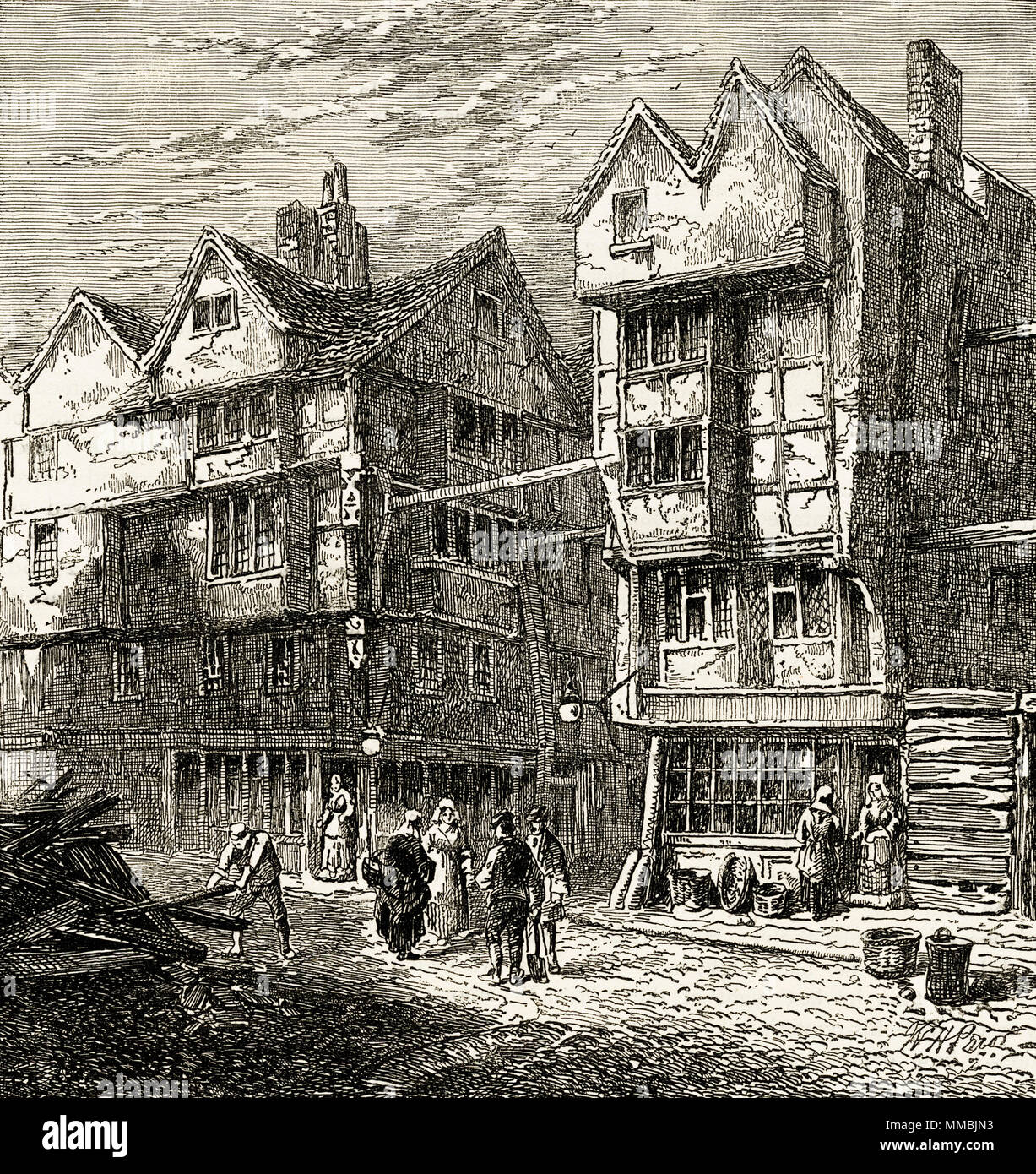
Along the iconic River Thames, the maps illustrate a city flourishing with trade. Wharfs and docks peppered the banks, facilitating the exchange of goods and culture from lands far away. The river, winding its way through the heart of London, not only provided a lifeline for commerce but also a picturesque setting that defined the city’s character.
5. The Artistic Flourish of Kensington

Kensington’s maps reveal a district associated with opulence and artistic expression. The elaborate architecture of palatial residences stands juxtaposed with humble cottages, creating a patchwork of social classes. Art galleries and theaters emerged, nurturing the cultural growth of a society on the brink of modernity.
In conclusion, an exploration of London’s 19th-century maps unravels a narrative of transformation, from political heartlands to industrial landscapes, capturing the essence of a city perpetually in flux. The intricate details woven into these historical topographies beckon us to venture deeper into the stories they conceal.