
Alaska, a land of vast wilderness and challenging terrain, relies heavily on air travel. Roads are scarce, and many communities are accessible only by plane. The state boasts an impressive network of airports, ranging from major international hubs to small, remote airstrips serving tiny villages. Understanding the distribution of these airports is crucial for navigating Alaska and appreciating its unique transportation landscape.
Major Airports
The primary gateway to Alaska is Ted Stevens Anchorage International Airport (ANC). Located in Anchorage, it’s a major cargo hub connecting North America with Asia and also serves a significant number of passenger flights, both domestic and international. ANC acts as a vital transit point for travelers exploring different regions of Alaska.
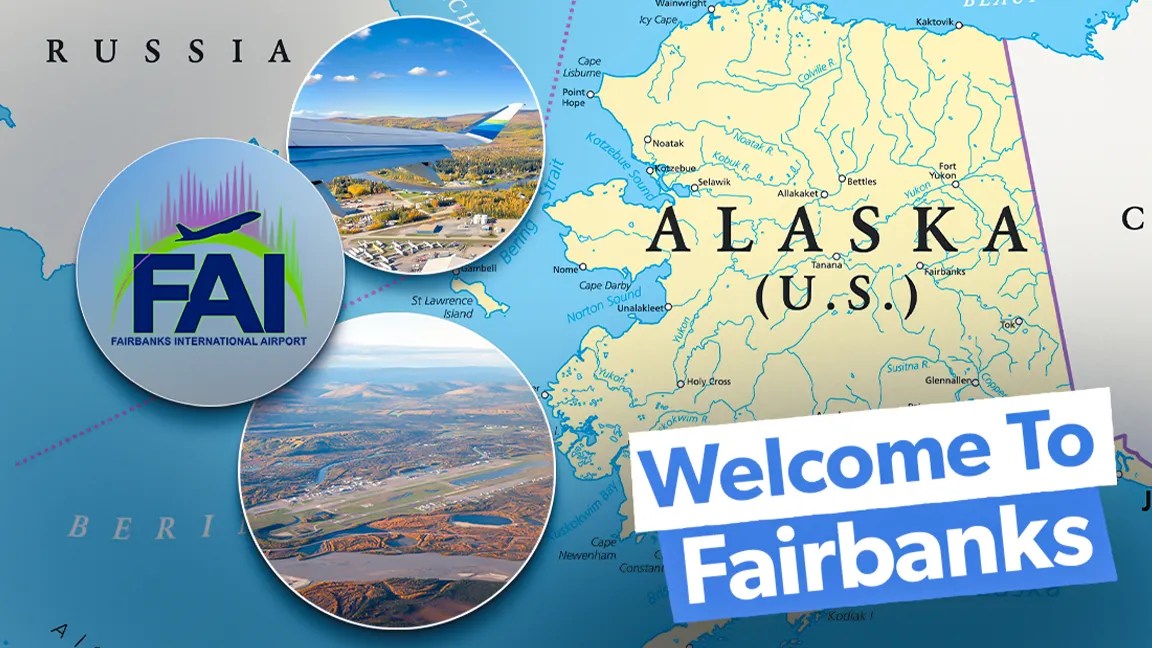
Another significant airport is Fairbanks International Airport (FAI), located in the Interior. It’s a key access point for the Arctic and Interior regions of Alaska. FAI plays a crucial role in tourism, resource extraction, and connecting remote communities. It also serves as a vital alternative airport when weather conditions impact Anchorage.
Regional Hubs
Several regional airports act as hubs for smaller communities. Juneau International Airport (JNU) serves the capital city and the surrounding Southeast Alaska region. Because of the mountainous terrain and lack of road connections in Southeast Alaska, JNU is essential for passenger travel and freight transport.
Ketchikan International Airport (KTN), located on Gravina Island, also serves Southeast Alaska. A ferry connects the airport to the town of Ketchikan. KTN is a crucial entry point for cruise ship passengers and visitors exploring the Misty Fjords National Monument.
In Western Alaska, Nome Airport (OME) is a vital hub for communities along the Bering Sea coast. It serves as a lifeline for these remote areas, providing access to essential goods, services, and medical care.
Bush Airports & Airstrips
Beyond the major and regional airports, Alaska is dotted with hundreds of smaller bush airports and airstrips. These are the lifelines for remote villages, often located in extremely isolated areas. They handle smaller aircraft, often bush planes, and play a critical role in supplying communities with food, medicine, and other necessities. These airstrips are often gravel or dirt and require skilled pilots familiar with the challenging flying conditions unique to Alaska.
Communities like Bethel, Barrow (Utqiagvik), and Kotzebue rely almost entirely on air transport, emphasizing the importance of even the most basic airstrips. Many of these airstrips are maintained by the state or by local communities.
Challenges & Considerations
Navigating Alaska’s airport map comes with unique challenges. Weather conditions can be unpredictable and severe, leading to flight delays and cancellations. Remote locations pose logistical difficulties for maintenance and infrastructure development. The cost of air travel in Alaska can be considerably higher than in other parts of the United States due to these challenges. Despite these hurdles, the Alaskan airport system is a vital part of the state’s economy and way of life, enabling people to live and thrive in this vast and beautiful land.
 800×683 alaska airports map major airports alaska from www.mapsofworld.com
  500×450 airports alaska map from letstalksport.co.uk
  720×360 alaska airlines seatac airport map from fity.club
 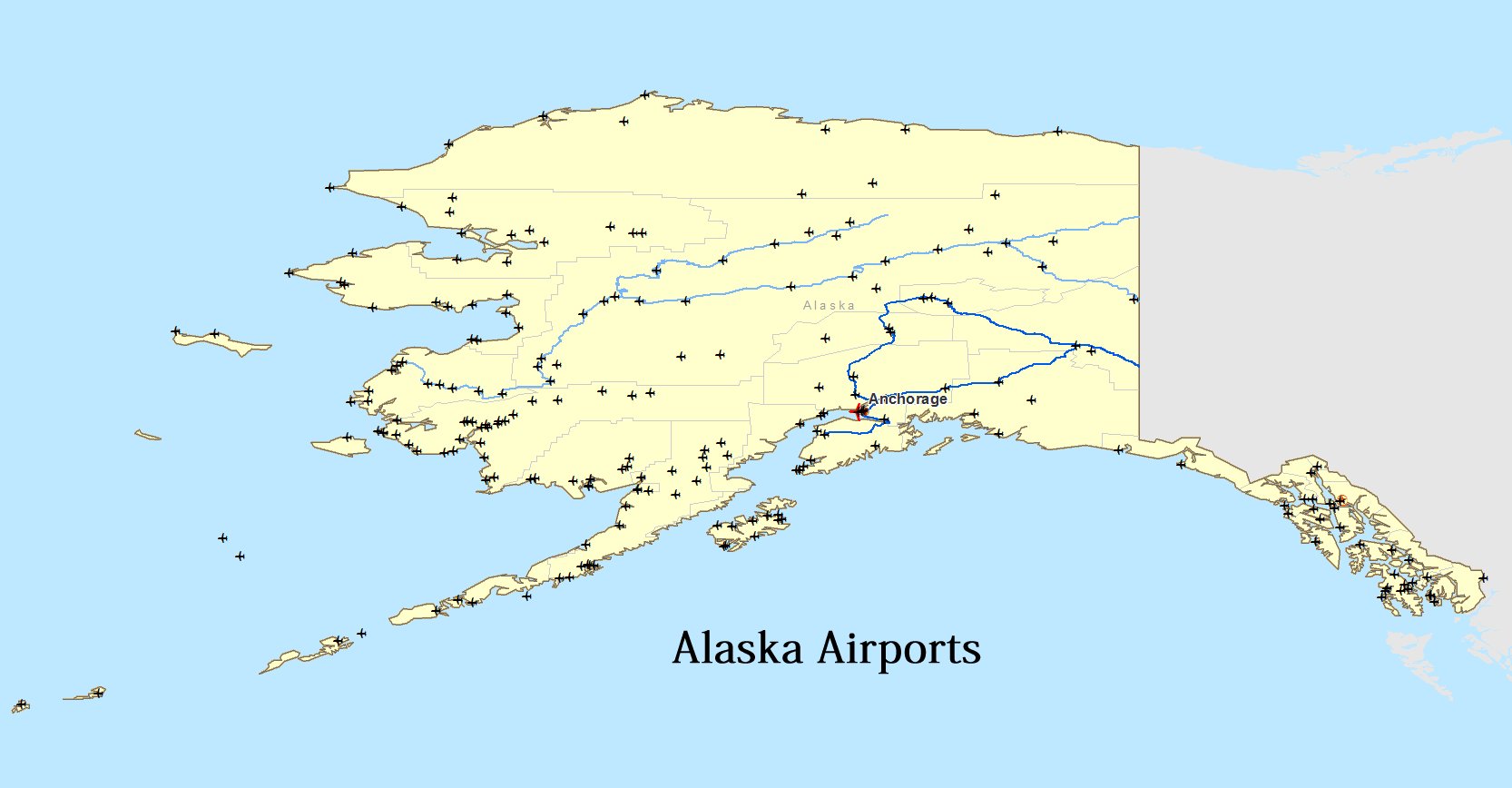 1666×868 borders from www.sciencengines.com
 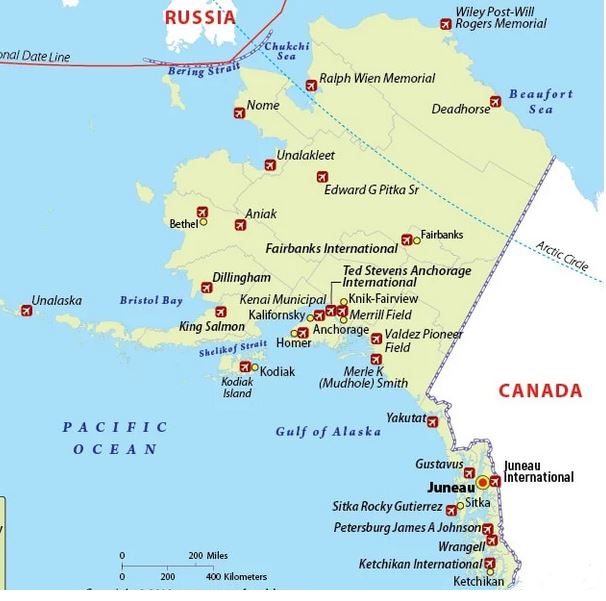 606×601 alaska airports map top airports alaska from worldmapwithcountries.net
  474×355 statewide aviation transportation public facilities state alaska from dot.alaska.gov
  600×368 map alaska airports oconto county plat map from ocontocountyplatmap.blogspot.com
  600×392 filealaska airports waas approchesjpg navipedia from gssc.esa.int
  450×342 airports alaska map fayre jenilee from michaelawreeba.pages.dev
 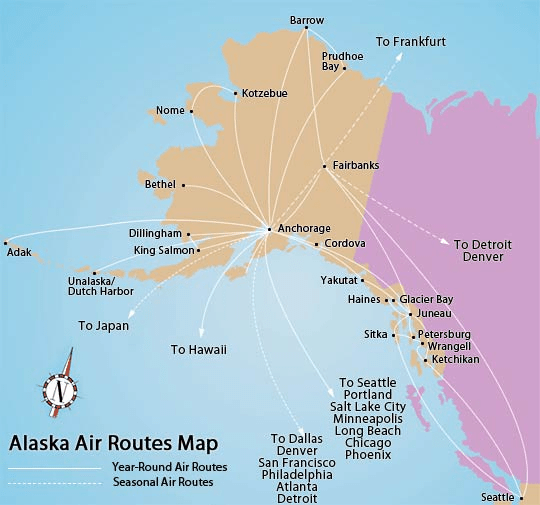 540×505 alaska airlines airport codes alaska diagram quizlet from quizlet.com
  600×600 airports alaska airport alaska from www.pinterest.com
  1152×648 fairbanks guide northernmost international airport from simpleflying.com
  986×760 northern alaska airport map northern alaska airports from www.alaska-map.org
  768×630 alaska airports map custom markers bering air bering air from www.beringair.com
  730×510 fairbanks international airport map alaska from www.mapsofworld.com
  160×256 alaska airport maps alaska airports from www.state-maps.org
  986×664 southern alaska airport map alaska airports from www.alaska-map.org
  1024×768 fairbanks international airport map fairbanks international airport from www.mappery.com
  612×348 state alaska airports from ar.inspiredpencil.com
  3000×1824 unveiling vastness comprehensive united states map from chilecitymap.pages.dev
  730×510 juneau international airport map alaska from www.mapsofworld.com
  730×510 ketchikan international airport map alaska from www.mapsofworld.com
  700×467 top airports alaska thatll trip hassle from traveltriangle.com
  1024×536 biggest airports alaska traveling base from travelingbase.com
  1166×658 map alaska airports from letstalksport.co.uk
  500×374 ketchikan international airport wikipedia from en.wikipedia.org