
Alaska Ports: A Vital Network Connecting Communities and Commerce Alaska’s vast coastline, stretching over 34,000 miles, is punctuated by a network of ports crucial for connecting communities, supporting the fishing industry, facilitating tourism, and enabling vital commerce. Due to limited road access in many regions, particularly in Southeast Alaska, ports serve as lifelines, offering a vital link to the outside world. The map of Alaskan ports reveals a diverse array of facilities, ranging from large, deep-water ports handling international cargo to smaller, community-based harbors serving local fishing fleets and passenger ferries. The geographical distribution of these ports reflects the state’s unique geography and its reliance on maritime transportation. Major Ports: * Anchorage (Port of Alaska): Situated in Southcentral Alaska, the Port of Alaska is the state’s largest, handling the majority of freight entering and leaving Alaska. It’s a crucial hub for supplying goods to interior Alaska and beyond. Its strategic location makes it a critical node in the supply chain. * Valdez: Located at the southern terminus of the Trans-Alaska Pipeline, Valdez is a major oil port. Tankers load crude oil for transport to refineries along the West Coast. The port plays a vital role in the Alaskan economy. * Ketchikan: In Southeast Alaska, Ketchikan is a major tourism hub, receiving numerous cruise ships during the summer months. It also supports a substantial fishing industry and serves as a regional transportation center. * Juneau: As the state capital, Juneau relies heavily on its port for transportation. Ferries connect Juneau to other communities in Southeast Alaska, and cruise ships bring thousands of tourists each year. * Sitka: Another significant port in Southeast Alaska, Sitka boasts a strong fishing industry and growing tourism sector. It’s a port of call for many cruise ships and home to a large commercial fishing fleet. * Dutch Harbor/Unalaska: Located in the Aleutian Islands, Dutch Harbor is one of the busiest fishing ports in the United States. It processes vast quantities of seafood, playing a critical role in the global seafood market. Smaller Community Ports: Beyond the major hubs, numerous smaller ports and harbors dot the Alaskan coastline. These ports are essential for the survival and sustenance of remote communities. They support local fishing, subsistence activities, and provide access to essential supplies and services. Examples include ports in communities like Kodiak, Petersburg, Wrangell, and numerous smaller villages throughout the state. These facilities often handle smaller vessels, ferries, and barges that are indispensable for connecting isolated settlements. Navigational Challenges: Navigating Alaskan waters presents unique challenges, including unpredictable weather, strong tides, and the presence of ice in some regions. Therefore, safe and well-maintained ports are crucial for the safe operation of maritime traffic. In conclusion, the map of Alaska’s ports illustrates a vital network that underpins the state’s economy, connects its communities, and facilitates the movement of goods and people across its vast and challenging landscape. From bustling international hubs to small community harbors, these ports are essential to life in Alaska.
 322×192 alaska cruise ports authority howard hillman from www.hillmanwonders.com
  768×595 explore alaskas cruise ports ultimate map guide from www.cruisemummy.co.uk
  500×1000 alaska cruise ports timers map epic from myperfectalaskacruise.com
  686×560 arctic port study ports harbors statewide design engineering from dot.alaska.gov
  550×423 series descriptions from www.psmfc.org
  1500×861 visual guide alaskas ports cruise passenger from cruisepassenger.com.au
  736×1472 alaska cruise port map cheap cruise vacation ideas from ca.pinterest.com
  700×823 alaska cruise ports anchorage seward ak from www.alaskancruise.com
  400×266 alaska ports harbors map from gis.data.alaska.gov
 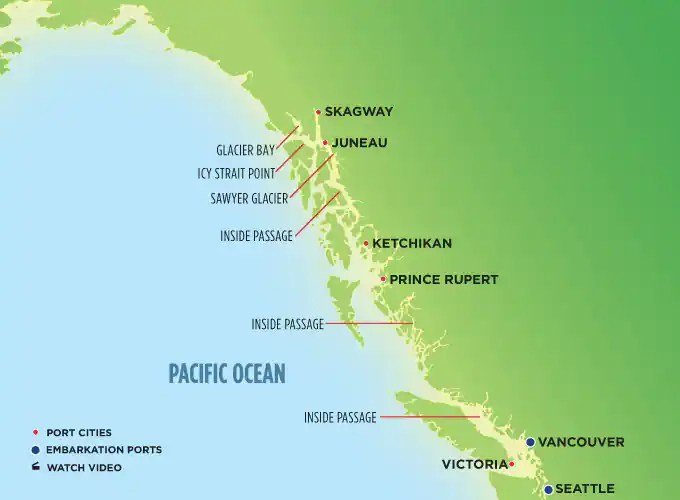 680×500 alaska ports map find cruises seattle vancouver view from www.ncl.com
  1000×1500 guide alaska cruise ports map luxury cruising from luxury-cruising.com
  1195×1065 sitka alaska cruise ship port map from mavink.com
  474×355 ultimate checklist alaska cruises cruise tours from www.cruiseexperts.com
  946×682 map alaska cruise ports visited ships from www.tourangie.com
  990×690 map alaska cruise ports map from www.deritszalkmaar.nl
  1183×918 modernization program port alaska from www.portofalaska.com
  642×387 map southeast alaska ports from www.pinterest.com
  904×1111 port protection alaska map willa julianne from sibealoalie.pages.dev
  400×278 alaska cruise ports guide royal caribbean blog from www.royalcaribbeanblog.com
  335×259 maps alaska ports call alaska cruises land tours ceals from alaskacruisesandlandtours.com
  841×532 pin alaska travel from www.pinterest.com
  960×1068 alaska cruise routes passage cross gulf alaskaorg from www.alaska.org
  640×700 explore beaten path alaska national parks princess from www.princess.com
  960×525 whittier alaska cruise port schedule cruisemapper from www.cruisemapper.com
  800×450 port alaska don young port alaska from www.portofalaska.com
  600×1200 ketchikan alaska cruise port map cruise ship from www.artofit.org
  5100×3300 cruise ports alaska guide alaska cruise port from www.nowgoseeit.com
 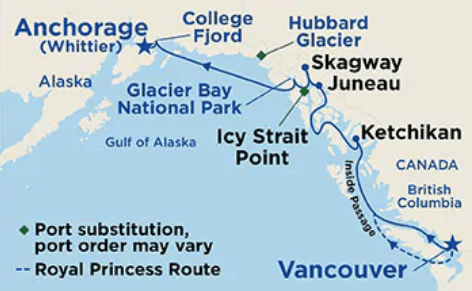 472×291 alaska cruise webus llc from www.web3us.com
  1000×450 juneau alaska cruise port schedule cruisemapper from www.cruisemapper.com
  1200×675 guide alaska cruise ports from www.cruisehive.com