
The Boboli Gardens in Florence, Italy, are more than just a green space; they’re a living museum, a testament to Renaissance and Baroque artistry brought to life through landscape architecture. Understanding a map of Boboli is essential for truly appreciating its intricate design and historical significance. Think of the map as a key, unlocking the garden’s secrets and helping you navigate its diverse offerings.
Central Axes and Key Landmarks
Most maps of Boboli highlight the central axis, a long, straight path that forms the backbone of the garden. This axis extends from the Pitti Palace, climbs uphill, and culminates in the statue of Neptune Fountain (Fontana del Nettuno). Following this central path offers a grand, sweeping view of the entire garden and the surrounding city.
Along this axis, and branching off from it, you’ll find other significant landmarks that are clearly marked on the map. These include the Amphitheater, an impressive semi-circular space originally designed for theatrical performances; the Egyptian Obelisk, a genuine ancient artifact; and the Fountain of Bacchus, featuring a rather plump Bacchus astride a tortoise.
Hidden Grottos and Secret Fountains
The map isn’t just about the main attractions. It also reveals the locations of hidden grottos and smaller, less-known fountains. The most famous is the Grotta Grande, also known as the Grotta del Buontalenti. The map will help you locate this artificial cave adorned with sculptures and artificial stalactites, offering a glimpse into the Mannerist artistic style. Also look for the Grotta di Madama, and the smaller fountains tucked away in the more secluded areas, inviting exploration.
Garden Layout and Thematic Areas
The map illustrates the distinct areas within Boboli, reflecting its evolving history. The more formal Italian gardens, closer to the Pitti Palace, are characterized by geometric flowerbeds, neatly trimmed hedges, and classical statues. As you move further away, the garden transitions into a more naturalistic style, with wooded areas and winding paths. The map’s different shading and symbols usually delineate these thematic zones.
Pay attention to the map’s indicators of elevation. Boboli is a terraced garden built on a hillside, and knowing the inclines and declines will help you plan your route and pace yourself, especially during the hotter months. It also helps to understand why certain vistas are so dramatic; they are carefully framed by the changing elevations.
Practicalities and Navigation Tips
Beyond the artistic and historical aspects, the map also helps with practicalities. It shows the locations of restrooms, refreshment stands, and emergency exits. Note the different entrances and exits, which can be useful for planning your arrival and departure.
Before venturing into Boboli, take a moment to study the map. Decide which areas are of most interest to you and plot a course accordingly. Boboli is vast, and it’s easy to get disoriented. Having a map will ensure you don’t miss anything and that you can fully appreciate the grandeur and beauty of this Florentine masterpiece.
 3360×1705 world map political map world nations project from www.nationsonline.org
  1390×1003 map world continents countries ezilon maps from www.ezilon.com
  3360×1705 world map physical map world nations project from www.nationsonline.org
  2200×1605 usa map maps united states america from ontheworldmap.com
  1920×1080 google maps introduces india feature called address descriptor from www.newsbytesapp.com
  4405×2649 buy world maps international political wall map mapworld from www.mapworld.com.au
  8000×4000 world maps world maps map pictures from www.wpmap.org
  1127×2000 google maps bekommt diesem jahr viele neuerungen from stadt-bremerhaven.de
  2000×1279 political map usa colored state map mappr from www.mappr.co
  4800×3140 usa maps printable maps usa from www.orangesmile.com
 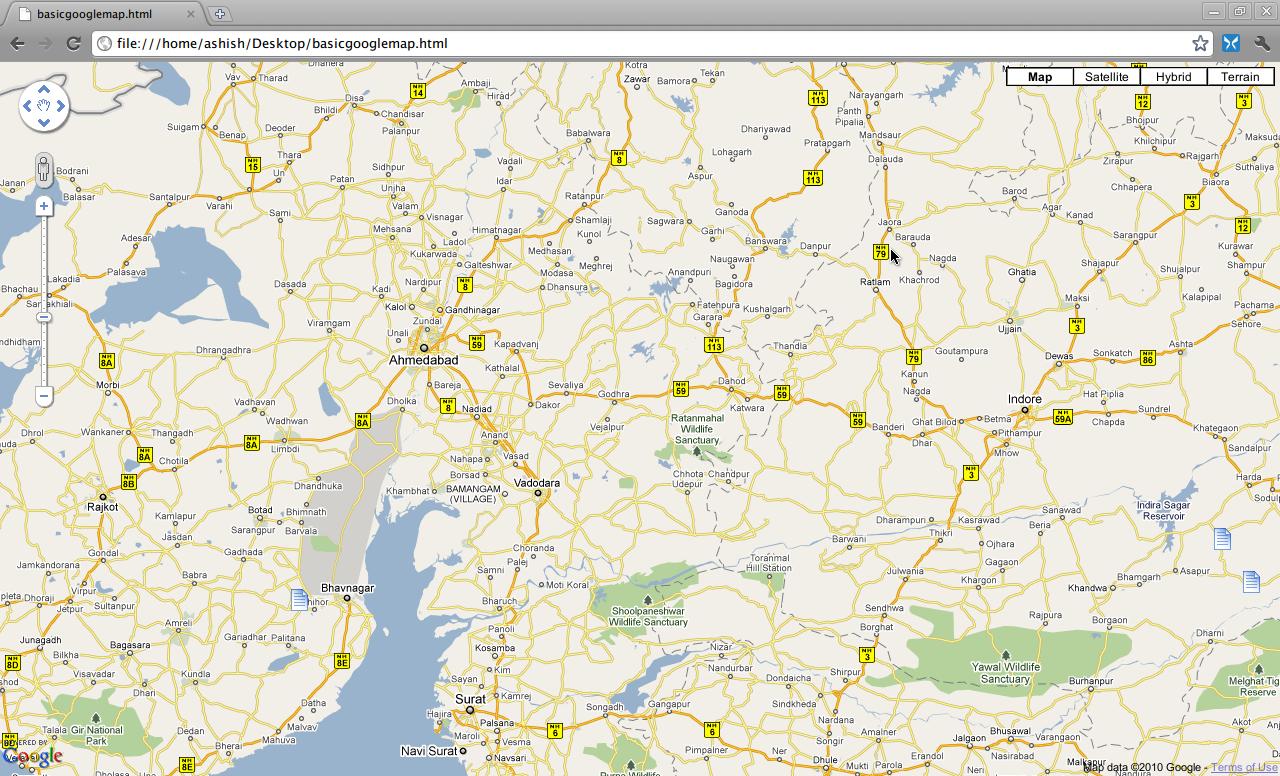 1280×776 openstreetmap open source alternate googlemaps from www.opensourceforu.com
  1000×661 google maps stay safer feature india from www.xda-developers.com
  3542×2297 map world political small version general map region from www.welt-atlas.de
  5000×3000 illustration world map isolated vectors clipart from www.vecteezy.com
  4500×2234 world map wallpaper hd wallpapers backgrounds images art from www.pixelstalk.net
  1285×871 mapsoft maps from mapsoftglobes.blogspot.com
  759×422 google maps updated india specific features whats from indianexpress.com
  1069×580 google maps google maps plan journey save time from timesofindia.indiatimes.com
  720×1280 google maps from www.fity.club
  800×450 google maps learn india gadgets from www.gadgets360.com
  1599×900 google maps introduces lens address descriptors india from www.livemint.com
  581×1024 google maps introduces features india from www.geospatialworld.net
  1200×675 google maps rolls ai features road widths flyover callouts from www.drivespark.com
  2995×2658 india maps facts world atlas from www.worldatlas.com
  1366×768 embed html google map gis map info from www.igismap.com