
The Boston Harborwalk is a public walkway that stretches over 43 miles along Boston’s waterfront, connecting the city’s many diverse neighborhoods and offering stunning views of the harbor islands. A map of the Boston Harborwalk is an essential tool for anyone looking to explore this unique urban amenity, whether they’re locals or visitors.
The Harborwalk map isn’t just a visual guide; it’s a key to unlocking the history, culture, and natural beauty of Boston’s waterfront. It highlights key points of interest, including parks, museums, restaurants, historic sites, and ferry terminals. Many maps are available online through organizations like the Boston Harbor Now and the Massachusetts Office of Coastal Zone Management. Printed maps are also often available at visitor centers and information kiosks along the route.
A typical Harborwalk map will clearly delineate the continuous sections of the walkway from East Boston to South Boston, and even beyond. It will also show the gaps in the trail where you might need to briefly detour onto city streets or utilize public transportation to continue your journey. These gaps are a work in progress, and the goal is to eventually connect the entire Harborwalk for seamless access.
Beyond simply showing the route, a good map will provide information about accessibility. It will indicate sections of the Harborwalk that are wheelchair accessible, noting any stairs or other obstacles. This is crucial for ensuring that everyone can enjoy the waterfront. Furthermore, the map can point out locations with public restrooms, water fountains, and shaded areas, all vital for a comfortable walk, especially during the warmer months.
The Boston Harborwalk map serves as a gateway to understanding the city’s maritime heritage. Landmarks like the Boston Tea Party Ships & Museum, the Charlestown Navy Yard (home to “Old Ironsides”), and the New England Aquarium are clearly marked. Exploring these sites provides insight into Boston’s role in American history and its ongoing relationship with the sea.
Beyond historical sites, the map also highlights the natural beauty of the harbor. Parks like Piers Park in East Boston offer incredible skyline views, while Spectacle Island provides hiking trails and swimming opportunities. The map often indicates the location of boat tours and ferries that allow visitors to explore the Harbor Islands National and State Park, offering a different perspective of the city and its surrounding waters.
Using a Harborwalk map encourages exploration beyond the well-trodden tourist paths. It reveals hidden gems like community gardens, public art installations, and small, local businesses that contribute to the unique character of each neighborhood along the waterfront. It’s an invitation to discover the diverse communities that call Boston’s harbor home.
In conclusion, a map of the Boston Harborwalk is far more than just a navigational tool. It is a guide to history, culture, recreation, and natural beauty, empowering both residents and visitors to experience the vibrant and ever-evolving waterfront that defines Boston.
 3360×1705 world map political map world nations project from www.nationsonline.org
  1390×1003 map world continents countries ezilon maps from www.ezilon.com
  3360×1705 world map physical map world nations project from www.nationsonline.org
  2200×1605 usa map maps united states america from ontheworldmap.com
  1920×1080 google maps introduces india feature called address descriptor from www.newsbytesapp.com
  4405×2649 buy world maps international political wall map mapworld from www.mapworld.com.au
  8000×4000 world maps world maps map pictures from www.wpmap.org
  1127×2000 google maps bekommt diesem jahr viele neuerungen from stadt-bremerhaven.de
  2000×1279 political map usa colored state map mappr from www.mappr.co
  4800×3140 usa maps printable maps usa from www.orangesmile.com
 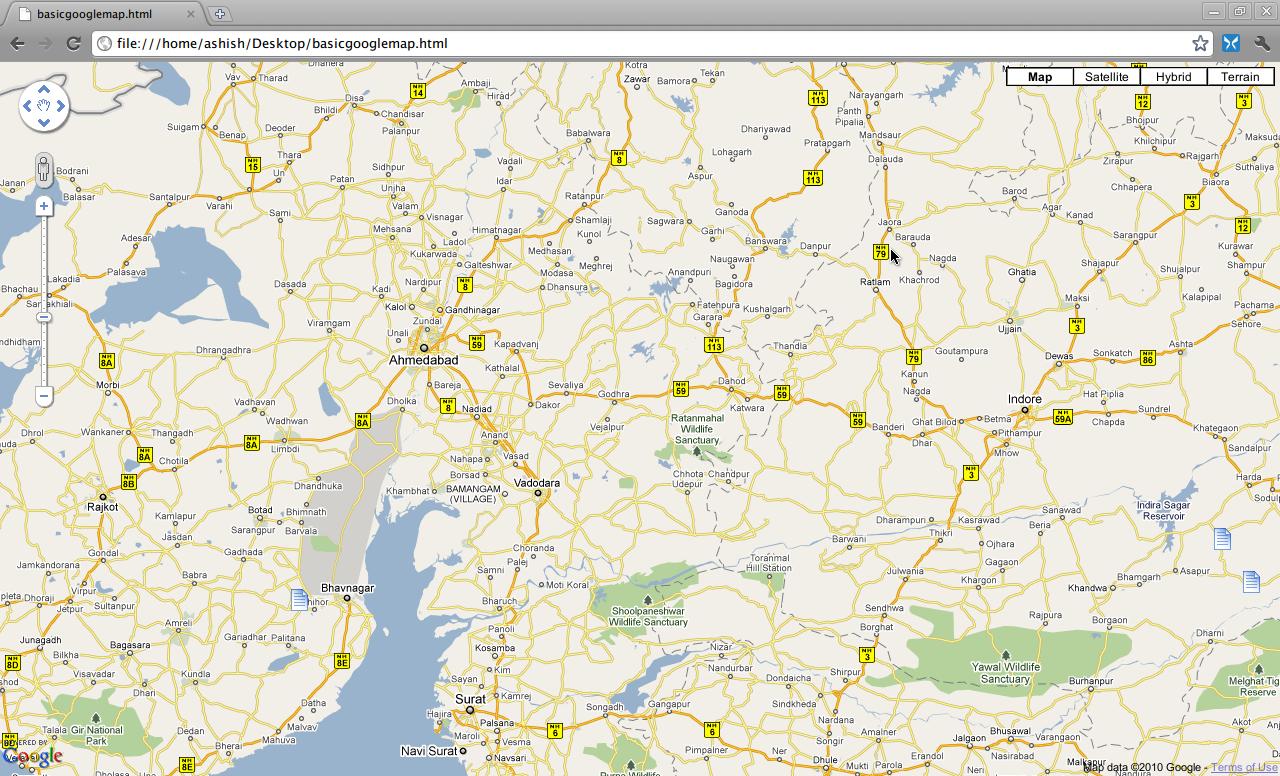 1280×776 openstreetmap open source alternate googlemaps from www.opensourceforu.com
  1000×661 google maps stay safer feature india from www.xda-developers.com
  3542×2297 map world political small version general map region from www.welt-atlas.de
  5000×3000 illustration world map isolated vectors clipart from www.vecteezy.com
  4500×2234 world map wallpaper hd wallpapers backgrounds images art from www.pixelstalk.net
  1285×871 mapsoft maps from mapsoftglobes.blogspot.com
  759×422 google maps updated india specific features whats from indianexpress.com
  1069×580 google maps google maps plan journey save time from timesofindia.indiatimes.com
  720×1280 google maps from www.fity.club
  800×450 google maps learn india gadgets from www.gadgets360.com
  1599×900 google maps introduces lens address descriptors india from www.livemint.com
  581×1024 google maps introduces features india from www.geospatialworld.net
  1200×675 google maps rolls ai features road widths flyover callouts from www.drivespark.com
  2995×2658 india maps facts world atlas from www.worldatlas.com
  1366×768 embed html google map gis map info from www.igismap.com