
Brigham City, Utah, a charming town nestled in the foothills of the Wellsville Mountains, boasts a rich history and a well-defined layout reflected in its map. Navigating Brigham City is generally straightforward, thanks to its grid system and clear street signage.
The heart of Brigham City is centered around Main Street, which runs north-south and serves as the primary commercial corridor. Main Street is easily identifiable on any map of the city, stretching from approximately 1300 North down to 1100 South. Along this thoroughfare, you’ll find a concentration of local businesses, restaurants, historical landmarks, and community gathering places. The Box Elder County Courthouse, a prominent structure, is located along Main Street and is a key reference point.
Parallel to Main Street are several other important north-south avenues, including 100 East, 100 West, and so forth. These avenues, along with the east-west streets, create the grid pattern. The numbering system for streets and avenues originates from the intersection of Main Street and Forest Street (0 North/South). For instance, 100 North 100 West is the intersection one block north and one block west of this central point.
To the west of Main Street lies the industrial area and the Union Pacific Railroad tracks. This area is significant historically and continues to be a transportation hub for the region. The proximity to the railroad historically influenced the city’s development and continues to shape its layout.
East of Main Street, the residential areas begin to climb into the foothills. As you move east, the streets become less grid-like and follow the contours of the terrain. Here, you’ll find neighborhoods with a more suburban feel, often offering stunning views of the valley below. The Wellsville Mountains offer a dramatic backdrop to the eastern edge of the city.
Major east-west thoroughfares include Highway 89/91, which passes through Brigham City and provides access to other towns in the region. This highway runs roughly parallel to Forest Street through the northern part of the city. Also important is 1100 South, which connects Brigham City to I-15, the major interstate highway that runs north-south through Utah. This interstate access makes Brigham City easily accessible to travelers and contributes to its economic viability.
The map also reveals several parks and recreational areas. Pioneer Park is a notable landmark, located near the center of town, providing green space and community facilities. Other parks are scattered throughout the residential areas, offering recreational opportunities for residents. The Bear River Migratory Bird Refuge, a major point of interest for nature enthusiasts, is located a short distance west of Brigham City, easily accessible by car.
Overall, the map of Brigham City reveals a well-organized community with a distinct historical center and a gradual transition from industrial and commercial zones to residential areas nestled in the foothills. The grid system makes navigation easy, while the key landmarks provide clear orientation points for visitors and residents alike.
 3360×1705 world map political map world nations project from www.nationsonline.org
  1390×1003 map world continents countries ezilon maps from www.ezilon.com
  3360×1705 world map physical map world nations project from www.nationsonline.org
  2200×1605 usa map maps united states america from ontheworldmap.com
  1920×1080 google maps introduces india feature called address descriptor from www.newsbytesapp.com
  4405×2649 buy world maps international political wall map mapworld from www.mapworld.com.au
  8000×4000 world maps world maps map pictures from www.wpmap.org
  1127×2000 google maps bekommt diesem jahr viele neuerungen from stadt-bremerhaven.de
  2000×1279 political map usa colored state map mappr from www.mappr.co
  4800×3140 usa maps printable maps usa from www.orangesmile.com
 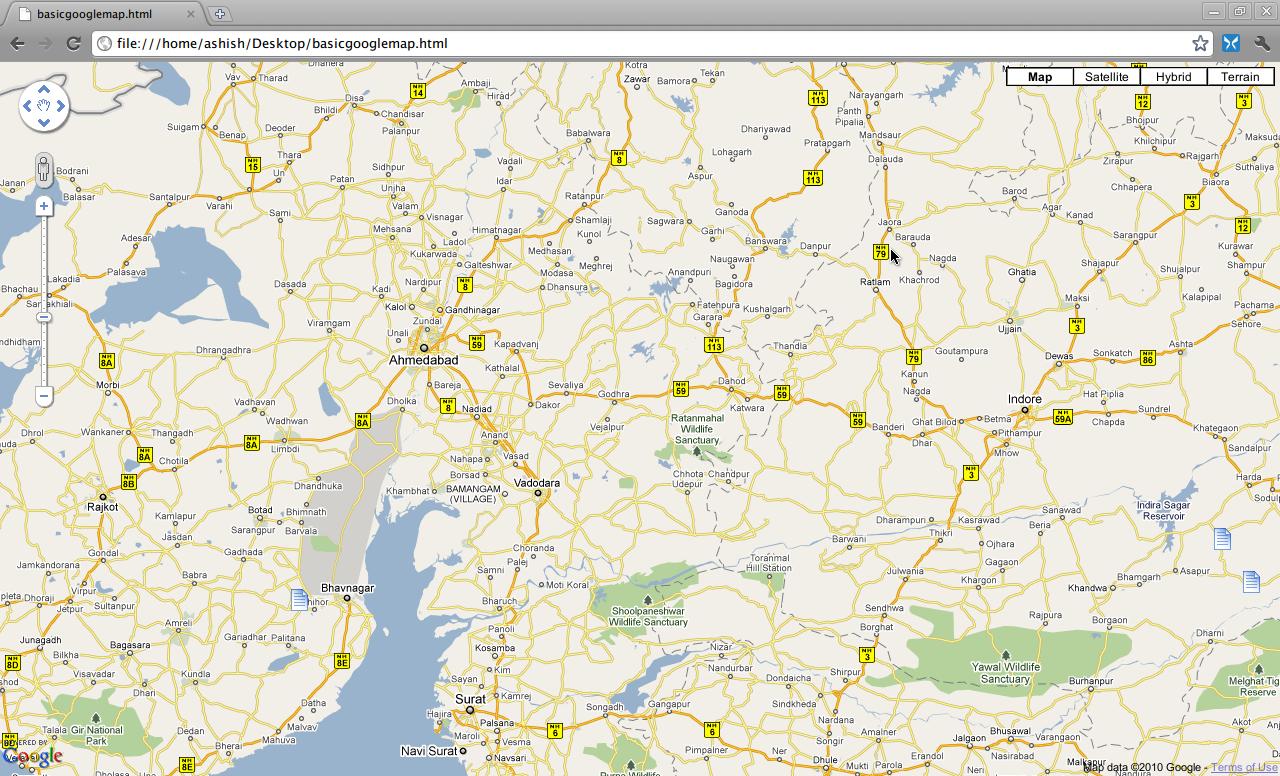 1280×776 openstreetmap open source alternate googlemaps from www.opensourceforu.com
  1000×661 google maps stay safer feature india from www.xda-developers.com
  3542×2297 map world political small version general map region from www.welt-atlas.de
  5000×3000 illustration world map isolated vectors clipart from www.vecteezy.com
  4500×2234 world map wallpaper hd wallpapers backgrounds images art from www.pixelstalk.net
  1285×871 mapsoft maps from mapsoftglobes.blogspot.com
  759×422 google maps updated india specific features whats from indianexpress.com
  1069×580 google maps google maps plan journey save time from timesofindia.indiatimes.com
  720×1280 google maps from www.fity.club
  800×450 google maps learn india gadgets from www.gadgets360.com
  1599×900 google maps introduces lens address descriptors india from www.livemint.com
  581×1024 google maps introduces features india from www.geospatialworld.net
  1200×675 google maps rolls ai features road widths flyover callouts from www.drivespark.com
  2995×2658 india maps facts world atlas from www.worldatlas.com
  1366×768 embed html google map gis map info from www.igismap.com