
Comparing maps of California and Texas reveals striking contrasts in geography, shape, and scale, reflecting their distinct histories and development. California, long and slender, stretches along the Pacific Coast, while Texas, a vast and irregular polygon, dominates the south-central United States. Understanding these differences starts with their sheer size.
Texas, the second-largest state in the U.S., dwarfs California. On a map, Texas’s massive landmass is immediately apparent. Its borders are defined by natural features like the Rio Grande and the Red River, contributing to its jagged outline. California, though substantial, appears considerably smaller in area, its shape dictated by the Pacific coastline and its shared border with Mexico.
Topographically, California boasts more diverse features within a smaller area. The towering Sierra Nevada mountain range runs down its eastern spine, visible as a prominent feature on any map. The fertile Central Valley, nestled between the Sierra Nevada and the Coast Ranges, stands out as a significant agricultural region. Coastal mountain ranges hug the Pacific, shaping its distinctive shoreline with cliffs and bays. Deserts, like Death Valley, occupy the southeastern corner, contributing to its varied landscape.
Texas, while not lacking in diversity, exhibits a more gradual transition across its landscapes. The western part of Texas features the rugged terrain of the Trans-Pecos region, including the Davis Mountains and Big Bend National Park. Moving eastward, the land gradually descends through the High Plains, the rolling hills of Central Texas, and finally, the coastal plains that line the Gulf of Mexico. The terrain is generally flatter compared to California’s dramatic elevation changes.
Looking at population distribution maps further highlights the differences. California’s population is concentrated along the coast, particularly in the Los Angeles and San Francisco Bay areas. Significant population clusters also appear in the Central Valley due to agricultural activity. Texas, on the other hand, has major population centers scattered throughout the state, including Houston, Dallas-Fort Worth, San Antonio, and Austin. This reflects the state’s diverse economic activities, ranging from energy and technology to agriculture and manufacturing.
Transportation networks also tell a story. California’s Interstate 5, running north-south, is a crucial artery connecting major cities. Texas has a more extensive network of interstate highways crisscrossing the state, reflecting its larger size and dispersed population centers. These highways facilitate the movement of goods and people across this vast territory.
In essence, a map comparison reveals that California is characterized by its striking coastal geography, dramatic mountains, and concentrated population centers. Texas, conversely, is defined by its immense size, more gradual topographic changes, and a more dispersed population across its expansive landscape. These differences are not merely cartographic; they reflect fundamental distinctions in the states’ history, economy, and culture.
 3360×1705 world map political map world nations project from www.nationsonline.org
  1390×1003 map world continents countries ezilon maps from www.ezilon.com
  3360×1705 world map physical map world nations project from www.nationsonline.org
  2200×1605 usa map maps united states america from ontheworldmap.com
  1920×1080 google maps introduces india feature called address descriptor from www.newsbytesapp.com
  4405×2649 buy world maps international political wall map mapworld from www.mapworld.com.au
  8000×4000 world maps world maps map pictures from www.wpmap.org
  1127×2000 google maps bekommt diesem jahr viele neuerungen from stadt-bremerhaven.de
  2000×1279 political map usa colored state map mappr from www.mappr.co
  4800×3140 usa maps printable maps usa from www.orangesmile.com
 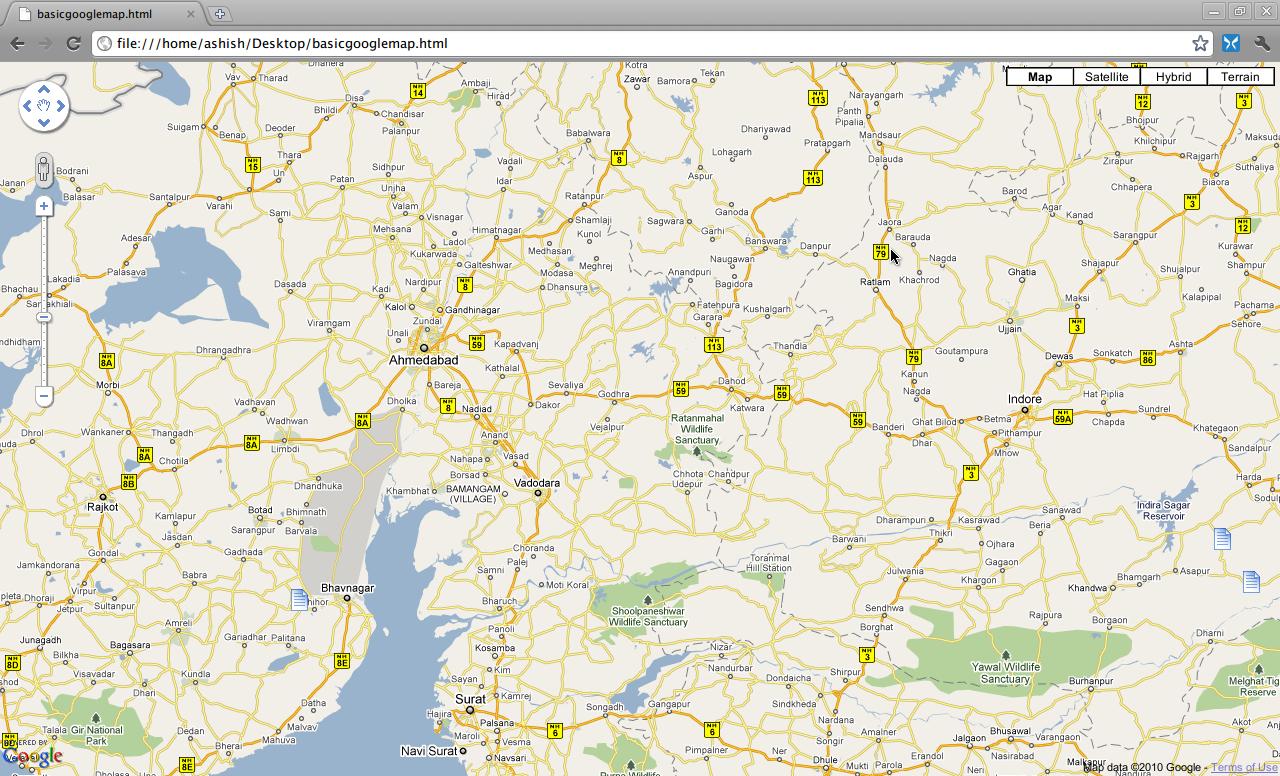 1280×776 openstreetmap open source alternate googlemaps from www.opensourceforu.com
  1000×661 google maps stay safer feature india from www.xda-developers.com
  3542×2297 map world political small version general map region from www.welt-atlas.de
  5000×3000 illustration world map isolated vectors clipart from www.vecteezy.com
  4500×2234 world map wallpaper hd wallpapers backgrounds images art from www.pixelstalk.net
  1285×871 mapsoft maps from mapsoftglobes.blogspot.com
  759×422 google maps updated india specific features whats from indianexpress.com
  1069×580 google maps google maps plan journey save time from timesofindia.indiatimes.com
  720×1280 google maps from www.fity.club
  800×450 google maps learn india gadgets from www.gadgets360.com
  1599×900 google maps introduces lens address descriptors india from www.livemint.com
  581×1024 google maps introduces features india from www.geospatialworld.net
  1200×675 google maps rolls ai features road widths flyover callouts from www.drivespark.com
  2995×2658 india maps facts world atlas from www.worldatlas.com
  1366×768 embed html google map gis map info from www.igismap.com