
The Central California Coast, a breathtaking stretch of shoreline, demands a map that captures its unique blend of natural beauty, vibrant towns, and historical significance. A comprehensive map reveals not just the major highways like Highway 1 and Highway 101, but also the winding backroads that offer hidden gems and stunning vistas.
Key Features Depicted
- Highway 1/Pacific Coast Highway: The iconic route snaking along the cliffs, highlighted with scenic pullouts and viewpoints. Its proximity to the ocean and the dramatic changes in elevation should be readily apparent.
- Major Cities and Towns: San Luis Obispo, Monterey, Carmel-by-the-Sea, Santa Cruz, and smaller coastal communities like Morro Bay, Cambria, and Pacific Grove are clearly marked. Their relative sizes and locations hint at their economies and histories.
- Natural Landmarks:
- Big Sur Coastline: The rugged cliffs, redwood forests, and famous landmarks like Bixby Bridge are prominent. The map should convey the wild and undeveloped character of this area.
- Monterey Bay: Its crescent shape and the location of Monterey Bay Aquarium are significant features. The surrounding marine protected areas should also be noted.
- Pinnacles National Park: Though slightly inland, its unique rock formations and hiking trails make it an important feature for recreational users.
- State Parks and Beaches: From Pfeiffer Big Sur State Park to Asilomar State Beach, a wealth of protected areas offer diverse recreational opportunities. These are vital to highlight.
- Geographical Features: The Santa Lucia Mountains running parallel to the coast, the San Andreas Fault’s approximate location, and the estuaries of various rivers are important geographical markers.
- Points of Interest: Hearst Castle, Point Lobos State Natural Reserve, and the 17-Mile Drive are key tourist destinations that a good map would clearly indicate.
Understanding the Landscape
Beyond simply showing locations, a well-designed map can convey the region’s unique characteristics. The concentration of towns along Monterey Bay reflects its historical importance as a fishing and canning center. The sparsity of development in Big Sur speaks to its rugged terrain and protected status. The map can also highlight the agricultural lands inland, particularly in the Salinas Valley, demonstrating the region’s economic diversity.
Using the Map
Whether planning a road trip, exploring state parks, or researching the area’s history, a detailed map of the Central California Coast is an invaluable tool. It provides context, reveals hidden treasures, and enhances the appreciation of this remarkable region. Its accuracy, clarity, and inclusion of key landmarks are crucial for navigation and exploration.
 3360×1705 world map political map world nations project from www.nationsonline.org
 1390×1003 map world continents countries ezilon maps from www.ezilon.com
 3360×1705 world map physical map world nations project from www.nationsonline.org
 2200×1605 usa map maps united states america from ontheworldmap.com
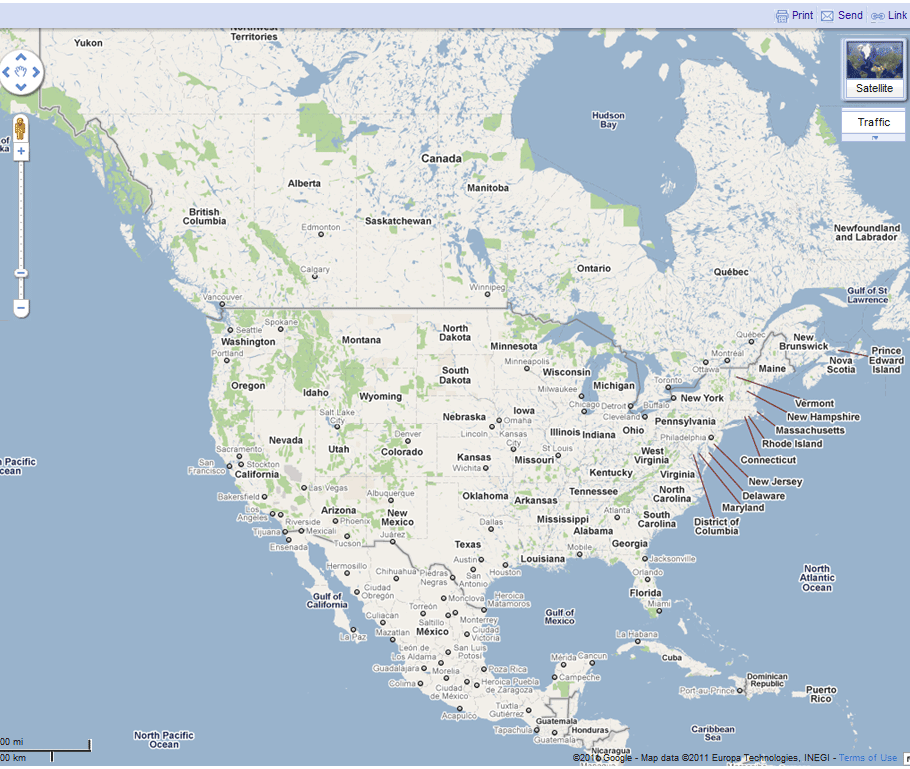 910×769 world maps library complete resources google maps canada from allmapslibrary.blogspot.com
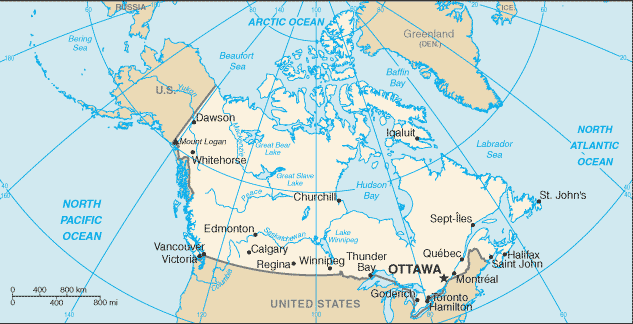 633×324 canada google maps driving directions google maps from www.drivingdirectionsgooglemaps.com
 1127×2000 google maps bekommt diesem jahr viele neuerungen from stadt-bremerhaven.de
 1017×762 canada google map from www.worldmap1.com
 720×400 world maps library complete resources location google maps canada from allmapslibrary.blogspot.com
 1553×995 world maps library complete resources google maps canada toronto from allmapslibrary.blogspot.com
 1084×587 google maps ottawa canada secretmuseum from www.secretmuseum.net
 1816×1228 google maps street view interactive static geographic media from smartcountries.com
 592×592 google maps street view ontario from ar.inspiredpencil.com
 474×266 google maps immersive view canadian cities from wifihifi.com
 1468×1038 import data google maps engine atlas unbound from blog.safe.com
 300×533 google maps canada updated explore feature mobile iphone from www.iphoneincanada.ca
 640×360 google maps introduces cycling features canada iphone from www.iphoneincanada.ca