
Abraham’s journey, a pivotal narrative in the Hebrew Bible, is not depicted with a detailed itinerary, but rather as a series of movements guided by divine instruction and shaped by geographical and cultural realities. Mapping this journey reveals a trajectory from Mesopotamia, through the Levant, and into Egypt, highlighting key locations and themes central to Abrahamic faiths. Abraham, originally Abram, began his journey in Ur of the Chaldees, a significant Mesopotamian city located in modern-day Iraq. This region, a cradle of civilization, was a hub of polytheistic worship. God’s call to Abraham represented a break from this established order, commanding him to leave his homeland and kindred for a land God would reveal. The first major stop was Haran, located in what is now southeastern Turkey. Abraham stayed here for an unspecified period, likely accumulating wealth and followers before receiving a renewed divine command to proceed to Canaan. Haran represents a transitional phase, a departure from Ur but not yet the full realization of God’s promise. Abraham’s arrival in Canaan marked a crucial turning point. The biblical narrative traces his movements through the land, emphasizing locations like Shechem, Bethel, and Hebron. Shechem, with its oak tree of Moreh, was the site of God’s initial promise to give the land to Abraham’s descendants. Bethel became a place of altar building and worship. Hebron, particularly the oak of Mamre, served as a more permanent dwelling and a location associated with key events, including the covenant with God and the purchase of the cave of Machpelah as a family burial site. Abraham’s journey was not without its detours. A famine forced him to journey south into Egypt. This episode, fraught with deception regarding Sarah’s identity, highlights the vulnerability and challenges faced by Abraham as a sojourner in a foreign land. While in Egypt, Abraham gained wealth, ultimately returning to Canaan a richer man. Back in Canaan, Abraham continued to move throughout the land, interacting with local populations and asserting his claim to the promised territory. Conflict arose with Lot’s herdsmen, leading to their separation and Lot’s eventual settlement in Sodom. Abraham’s rescue of Lot after Sodom’s defeat demonstrates his military prowess and commitment to his kin. The binding of Isaac, a dramatic test of faith that occurred in the region of Mount Moriah (traditionally identified with the Temple Mount in Jerusalem), further solidified Abraham’s covenant with God. This event underscored Abraham’s unwavering obedience and cemented his position as a patriarch of faith. Abraham’s travels are significant not just for their geographical scope, but also for their theological and historical implications. The map of his journey reflects a movement from polytheistic Mesopotamia to the monotheistic promise of Canaan. It represents a journey of faith, obedience, and the forging of a covenant that would shape the destiny of nations. It is a story of divine promise, human struggle, and the unwavering hope for a future inheritance.
 1240×1754 printable map abrahams journey from printable.mapadapalavra.ba.gov.br
  1280×720 abrahams journey interesting facts bible history from bible-history.com
  360×229 abrahams journey promised land map from www.biblestudy.org
  630×486 map journeys abraham bible history from bible-history.com
  1500×1018 map abrahams journey katherine baxter rmapporn from www.reddit.com
  1204×868 abrahams journey map google search spiritualite chronologie bible from www.pinterest.co.uk
  1280×853 genesis reflect beliefs horite hebrews abrahams people from discourse.biologos.org
  600×600 journey abraham bible cities from biblemaps.com
  1024×610 map abrahams journey haran canaan map current location from gilbertinezcammie.pages.dev
  1600×1052 local preacher girl abrahams journey kids address from localpreachergirl.blogspot.com
  757×521 jesses blog geography bible from jesselatour.blogspot.com
  557×387 god abraham torahsparks from torahsparks.wordpress.com
  2700×2025 map abrahams journey map biblical patriarchs testament map from www.etsy.com
  680×631 abrahams journey kids bible maps from www.kidsbiblemaps.com
  1024×768 abrahams journey ebibleteacher from www.ebibleteacher.com
  865×370 story abraham from www.israel-a-history-of.com
  1500×964 journeys life abraham ensign feb ensign from lds.org
  1074×745 abraham kingdom from hiskingdom.us
  380×293 abraham covenant daily prayers from www.daily-prayers.org
  4307×3020 bible maps abrahams journey bc abrams migration from www.bible.ca
  1100×694 map journeys history abraham isaac jacob from www.conformingtojesus.com
  762×533 map abrahams journey ur chaldees bible mapping bible from www.pinterest.com
  1094×1144 abc parish week july july from abcparish.blogspot.com
  2032×1538 printable map abrahams journey printable year banners from static.recode.net
  1023×767 survey genesis powerpoint id from www.slideserve.com
  870×699 abrams journey promised land headwaters bible maps bible from bibleportal.com
  600×400 map abrahams journeys geography pages dr rollinsons courses from www.drshirley.org
 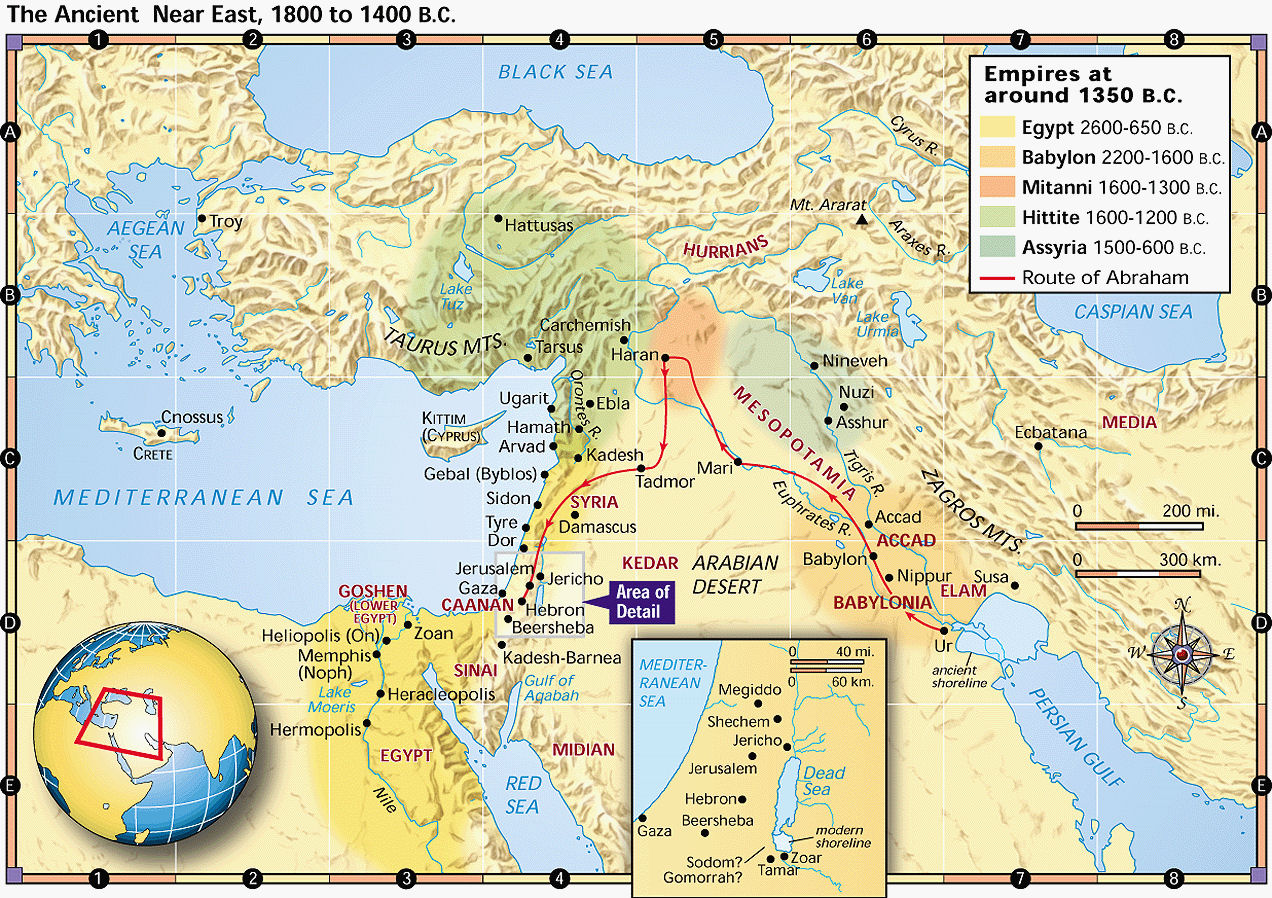 1272×898 journeys abraham from www.glenacres.org